
Is Owning a Villa in Bali Profitable? Here Are the Facts and Potential Profits!

Bali Premium Villa Editorial Desk
September 14, 2026
10 min read

Owning a villa in Bali is often imagined as the perfect combination of lifestyle and investment a personal holiday home that can also generate income when it’s not in use. This image isn’t entirely wrong, given that Bali’s popularity as a world-class tourist destination continues to attract both travelers and digital nomads year-round.
However, like any other asset, the actual benefits of owning a villa depend on many factors that need to be understood first. In this article, we’ll cover what makes villa ownership in Bali considered advantageous, the things you need to consider before deciding, and tips to keep your villa ownership optimal in the long run. Read on to the end!
Key Takeaways
- Villa ownership in Bali can be profitable from two angles at once: potential rental income and asset value appreciation over the medium to long term.
- Beyond the financial aspect, owning a villa also offers non-financial benefits such as a personal holiday home with no accommodation costs, and potential as a family inheritance asset.
- These benefits need to be weighed against routine maintenance costs, annual tax obligations (PBB/Land and Building Tax), and ownership legalities that differ for foreign nationals.
- Villas tend to be less liquid than other investment instruments, so the resale process usually takes longer.
- Before deciding, it doesn’t hurt to first explore Bali Premium Villa’s villa collection to get a real picture of the character and potential of each property across various areas in Bali.
Why Is Owning a Villa in Bali Considered Advantageous for Bali Property Investment?
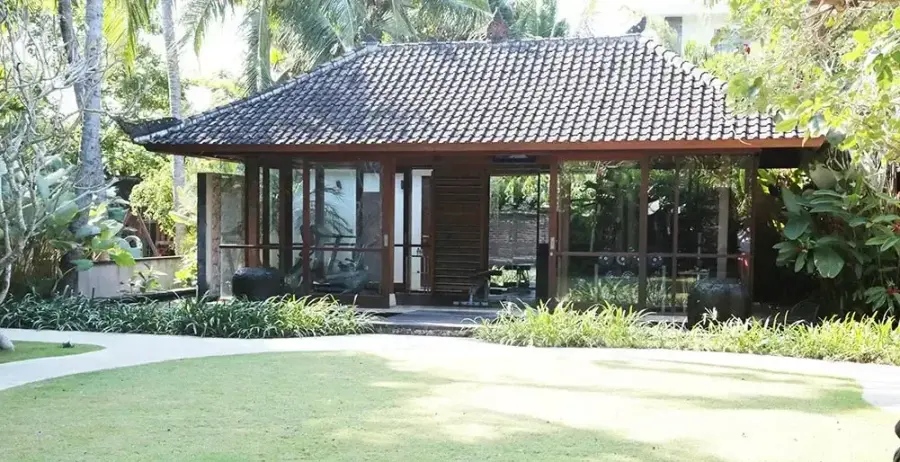
One of the main reasons villa ownership in Bali is considered advantageous is the combination of high year-round tourism demand and the lifestyle the island offers. When a villa isn’t being used personally, the unit can be rented out to tourists or digital nomads, potentially generating additional income that helps cover part or even all of the ownership costs.
Beyond potential rental income, many villa owners also enjoy more personal benefits such as having their own holiday retreat without worrying about accommodation costs on every visit, or turning it into an asset that can be passed down to the next generation. That said, it’s important to remember that financial gains from villa ownership don’t come automatically they’re heavily influenced by location, management approach, and overall tourism market conditions.
Advantages of Owning a Villa in Bali You Should Know!
It’s no wonder that more and more people, both domestic and foreign, are eyeing villas in Bali as a property investment option as well as a personal holiday destination they can enjoy anytime. Here are some of the advantages that most often motivate people to own a villa in Bali:
1. Potential for Greater Passive Income
When not in personal use, a villa can benefit from the Bali rental market, with short-term holiday rentals often producing higher revenue than yearly leases and generating passive income that can help cover maintenance costs or even mortgage installments if purchased through a financing scheme. In popular areas like Canggu or Uluwatu, professionally managed properties can achieve occupancy rates of 70–85%, and high-performing areas commonly see 60% to 80% annual occupancy, with stronger returns usually coming from consistent occupancy and higher nightly rates.
This income potential can typically be increased further with the right management for example, through Bali Premium Villa’s villa management service, which handles multi-platform marketing, reservation management, and transparent financial reporting, so you don’t have to manage everything yourself.
2. Potential Increase in Property Asset Value
Besides rental income, Bali real estate can also offer capital growth and capital appreciation over time, especially in areas with continuously developing infrastructure. Land prices in popular areas such as Canggu have risen by roughly 50% to 100% post-pandemic, while emerging locations can still offer a lower entry price.
If your villa is starting to feel less than optimal for instance, its design has become outdated or the number of rooms no longer fits market demand renovating it through Bali Premium Villa’s villa renovation and construction service can be a way to boost its resale value as well as its rental appeal.
3. A Personal Holiday Spot Without Accommodation Costs
For those who enjoy visiting Bali regularly, owning a villa means no longer having to think about accommodation costs on every trip. You also have full freedom to customize the villa to your personal preferences, from interior design to desired amenities.
To keep your experience of staying at your own villa enjoyable, it’s important to keep it in top condition year-round for example, with help from Bali Premium Villa’s villa maintenance service so your villa is always ready to move into whenever you arrive, without you having to worry about its upkeep yourself.
4. An Inheritance Asset for the Family
A well-managed villa can become a long-term asset passed down to family members, as well as a future gathering place for the extended family. For some people, the emotional value of owning a family property in this favorite destination is a benefit in itself that can’t always be measured in financial terms.
5. Part of a Lifestyle and Community
Owning a villa in Bali also opens access to the growing community of expats, digital nomads, and fellow property owners in various areas such as Canggu and Ubud. Ubud also attracts wellness-focused travelers, which supports stable rental demand and rental potential. For some owners, the connections and lifestyle built through this community add value that complements the financial benefits of the property itself.
These five advantages show that owning a villa in Bali isn’t just about the numbers on paper, but also about the lifestyle and experience that come with it. Even so, it’s important to stay realistic by also looking at the other side of villa ownership before truly making a decision. Sanur also appeals to longer-stay tenants and tends to have relatively tight vacancy, around 5% to 8%, with amenities such as beach clubs helping support demand.
Read also: Is Buying a Villa in Bali a Profitable Investment? Find Out the Reasons Here!
A Smart Guide Before Owning a Villa in Bali

There are a few important aspects worth understanding to help your journey toward owning a villa in Bali go more smoothly. By preparing for these aspects from the start, you can make more informed decisions and enjoy villa ownership with greater peace of mind and confidence.
- Plan Your Routine Maintenance Budget
A villa in a tropical climate performs best with regular upkeep from pool maintenance and roof repairs to electrical systems and pest control for termites, which are common in Bali. By setting aside a maintenance budget from the outset, you can keep your villa in top condition while maximizing your long-term net returns. - Understand Your Annual Tax Obligations
As a property owner in Bali, you’re required to pay Land and Building Tax (PBB) every year, whether the villa is used personally or rented out. If it’s rented, rental income is also subject to its own income tax. Factoring this into your calculations from the start allows you to build a more accurate and profitable financial strategy. - Learn the Right Legal Structure for Foreign Nationals
For foreign nationals, there are several safe and legitimate ownership options available, such as Hak Pakai (Right to Use), Hak Sewa (leasehold), or establishing a PT PMA (foreign-owned company) if the villa will be operated commercially. Understanding these structures early on helps you choose the option that best fits your needs, ensuring your ownership is fully protected under the law. - Build a Long-Term Liquidity Strategy
Compared to stocks or mutual funds, a villa is a longer-term asset, and the resale process can take more time. That’s precisely where its value lies by planning your investment horizon wisely from the start, a villa can become a stable asset that continues to grow in value over time. - Choose the Right Management for Maximum Results
If you don’t live in Bali full-time, partnering with a professional management team covering everything from housekeeping and marketing to guest communication is key to keeping your villa performing at its best. With the right management in place, a well-located villa can achieve high occupancy rates even while you oversee it remotely.
By understanding and preparing for these five aspects, you’ll be better equipped to approach villa ownership in Bali both realistically and optimistically making the most of every opportunity for return.
5 Tips for Owning a Villa in Bali That Stays Profitable with High Rental Yields
After understanding the advantages and considerations above, here are some practical tips to keep your villa ownership optimal in the long run. Applying these tips from the start will help you avoid common mistakes made by other villa owners.
Calculate Net Profit Projections, Not Just Gross Income
When calculating potential returns, make sure you subtract all operating costs maintenance, taxes, and management fees from your estimated gross rental income, and remember rental yield is calculated by dividing annual net rental income by the property purchase price. Projections based on gross income alone often look far more promising than the real returns you’ll actually receive. When yields and occupancy hold up well, some investors recover capital in around six years.
Set Aside a Reserve Fund for Unexpected Maintenance
Besides routine maintenance costs, also prepare a reserve fund for major repairs that can arise unexpectedly, such as roof damage from extreme weather or replacing worn-out equipment. With an adequate reserve fund, your finances won’t be disrupted when facing these kinds of unexpected costs.
Ensure Legal and Tax Matters Are Properly Arranged from the Start
Working with a notary (PPAT) and a tax consultant from the beginning of the ownership process will help you avoid legal issues or tax penalties down the road. Well-organized compliance will also make things easier if you ever plan to sell or transfer ownership of the villa.
Use Property Management Services if You Don’t Live There Full-Time
If you can’t personally oversee the villa, professional management can help maintain cleanliness, marketing, and guest relations to support steadier occupancy and stronger net returns. Choose a service provider with a clear track record and transparent financial reporting so you can still monitor your villa’s performance remotely.
Regularly Evaluate Villa Performance
Take the time to regularly evaluate occupancy rates, guest reviews, and the physical condition of your villa, rather than letting it run unsupervised. Regular evaluation will help you identify areas that need improvement early, before they have a bigger impact on returns or the property’s reputation.
By applying these tips, your villa ownership in Bali has a much better chance of remaining profitable in the long run, both financially and in terms of the ownership experience itself.
Read also: Nominee Property in Bali: Understanding the Risks and Alternatives Before Investing
Own Your Dream Villa and Explore Our Collection of Bali Villas with Us!
Owning a villa in Bali can be a profitable decision, as long as it’s balanced with a realistic understanding of the costs, legalities, and management involved. There’s no single answer that applies to everyone, because the returns you get depend heavily on your goals, the location, and how the villa is managed day to day.
Before deciding, you can first take a look at the collection of villas in various areas of Bali through Bali Premium Villa, to get a real picture of the character and potential of each property before truly committing to ownership. This helps you compare property type, area, entry price, and rental potential across different Bali property investment options.

Frequently Asked Questions
Not always. Profitability depends on location, management approach, operating costs, and overall tourism market conditions, and a good villa usually combines location, management quality, and market fit rather than relying on appreciation alone, so it’s important to do proper research and realistic calculations.
Besides the annual Land and Building Tax (PBB), villa owners generally need to budget for pool maintenance, cleaning, building repairs, and management fees if the villa is rented out commercially.
Yes, but not in the form of personal freehold (Hak Milik) ownership. Foreign nationals generally use the Hak Pakai (Right to Use) or, more commonly, the Hak Sewa/leasehold (Right to Lease) scheme, while a PT PMA (foreign investment company) may suit commercial operation.
Yes. Land and Building Tax (PBB) must still be paid every year regardless of whether the villa is used for personal purposes or rented out.
Not always quickly. Villas are considered a less liquid asset compared to other investment instruments, so the sale process can take time, especially if the remaining leasehold period is limited and the villa’s rental potential is weaker.
Related Article

7 Best Areas in Bali for Villa Investment: A Step-by-Step Guide and Tips for Choosing
In property investment, location is often cited as the single...
In property investment, location is often cited as the single most decisive factor for success and the same holds true...

Is Buying a Villa in Bali a Good Investment? Check Out the Reasons Below!
Bali has long been a magnet for travelers from around...
Bali has long been a magnet for travelers from around the world, and this popularity has also fueled growing interest...

What Is the Right Checklist for Villa Preparation Before Peak Season in December-January?
Peak season in December-January is the period with the highest...
Peak season in December-January is the period with the highest demand for accommodation in Bali all year round, and it’s...
